Contents
The UK’s First All-Electric Ferry Service in 2025
London is known for its iconic river, the Thames. Soon, it will have a new way to travel across this river. In March 2025, London will launch the UK’s first all-electric ferry service. This ferry is called the Orbit Clipper. It will provide a sustainable and eco-friendly way to travel. The new service aims to reduce pollution and improve transportation in the city. This article provides the details of the Orbit Clipper, its benefits, and what it means for London.
Overview of the Orbit Clipper
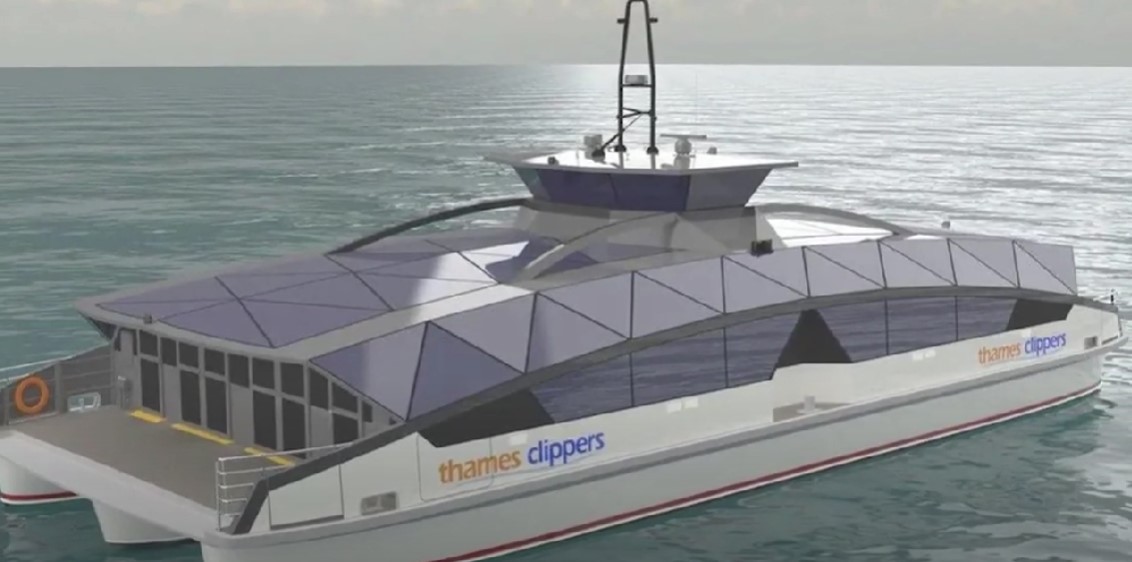
The Orbit Clipper is a new electric ferry being built for London’s river transport. It is currently under construction at the Wight Shipyard on the Isle of Wight. This ferry will change how people travel across the Thames.
The Orbit Clipper is being made from lightweight aluminum. This material helps make the ferry efficient and strong. The ferry will be ready to carry passengers in March 2025. The new ferry can carry 150 passengers and 100 bicycles at a time. This makes it a great option for commuters and tourists alike. It has a roll-on/roll-off design, which means it can easily dock on both sides of the river.

Schedule and Routes
- The Orbit Clipper will operate between two key locations: Canary Wharf on the north side of the Thames and Rotherhithe on the south side.
- The ferry will cross the river every 10 minutes on weekdays and every 15 minutes on weekends. This frequent service will make it easy for people to use the ferry as part of their daily commute.
- The service is expected to carry over 20,000 passengers each day. This high capacity shows how important this ferry will be for Londoners and visitors.
Environmental Impact
- One of the main goals of launching the Orbit Clipper is to reduce pollution in London.
- The Orbit Clipper is an all-electric vessel, which means it produces zero emissions while operating. This is an important step in helping London achieve its environmental goals.
- By replacing diesel-powered ferries with an electric option, Uber Boat by Thames Clippers aims to cut emissions by 50% by 2035. The company also plans to reach net-zero emissions by 2050.
- Reducing emissions from ferries will help improve air quality in London. Cleaner air benefits everyone, especially those who live near the river.
Benefits of Using the Orbit Clipper
The introduction of the Orbit Clipper brings many benefits to passengers and the city.
- With frequent crossings, travelers can rely on the ferry as a quick way to travel across the Thames. This helps avoid traffic congestion on roads.
- The new ferry will feature better accessibility options for all passengers, including those with disabilities. A new step-free pontoon will be built at Rotherhithe to make boarding easier.
- The ability to carry bicycles allows more people to cycle around London while using public transport effectively. This promotes a healthier lifestyle and reduces reliance on cars.
Future of River Transport in London
- This project represents a significant step forward in maritime technology. The use of electric ferries shows how cities can innovate for a greener future.
- Uber Boat by Thames Clippers is working with various partners, including Wight Shipyard and Aqua Super Power, to make this project successful. Collaboration among businesses and government bodies is essential for achieving sustainability goals.
- The success of the Orbit Clipper could inspire other cities around the world to adopt similar eco-friendly transport solutions.
Conclusion
London’s launch of the UK’s first all-electric ferry service, the Orbit Clipper, is a groundbreaking development for public transport and environmental sustainability. Set to begin operations in March 2025, this innovative ferry promises convenience, accessibility, and reduced emissions for thousands of passengers daily. As cities around the world seek ways to reduce pollution and promote sustainable travel options, London’s initiative serves as an inspiring example of progress in green transportation solutions. The Orbit Clipper not only enhances river travel but also contributes significantly to London’s goal of cleaner air and a healthier environment for all its residents and visitors.